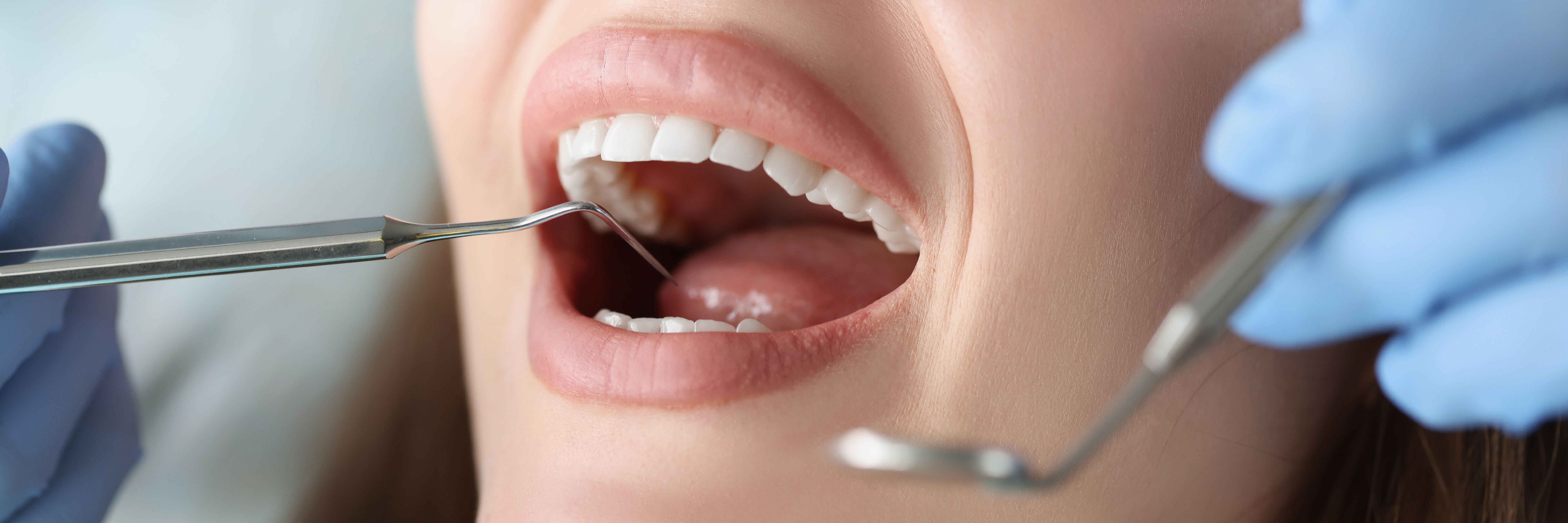
A gap left by a missing tooth rarely stays quiet. Nearby teeth can drift out of place, chewing becomes uneven, and a smile that once felt effortless suddenly needs extra thought before a photo or a conversation. Speech can shift too, because front and side teeth both help shape certain sounds. A dental bridge is one of the most direct ways to close that space without surgery for most patients.
At Coastal Cosmetic & Family Dentistry, we build dental bridges from measurements taken of your own bite, using materials chosen to match how your teeth already work together. Whether you are missing one tooth or several in a row, our team can walk you through what a bridge involves, how long it takes, and whether it fits your smile.
What Is a Dental Bridge?
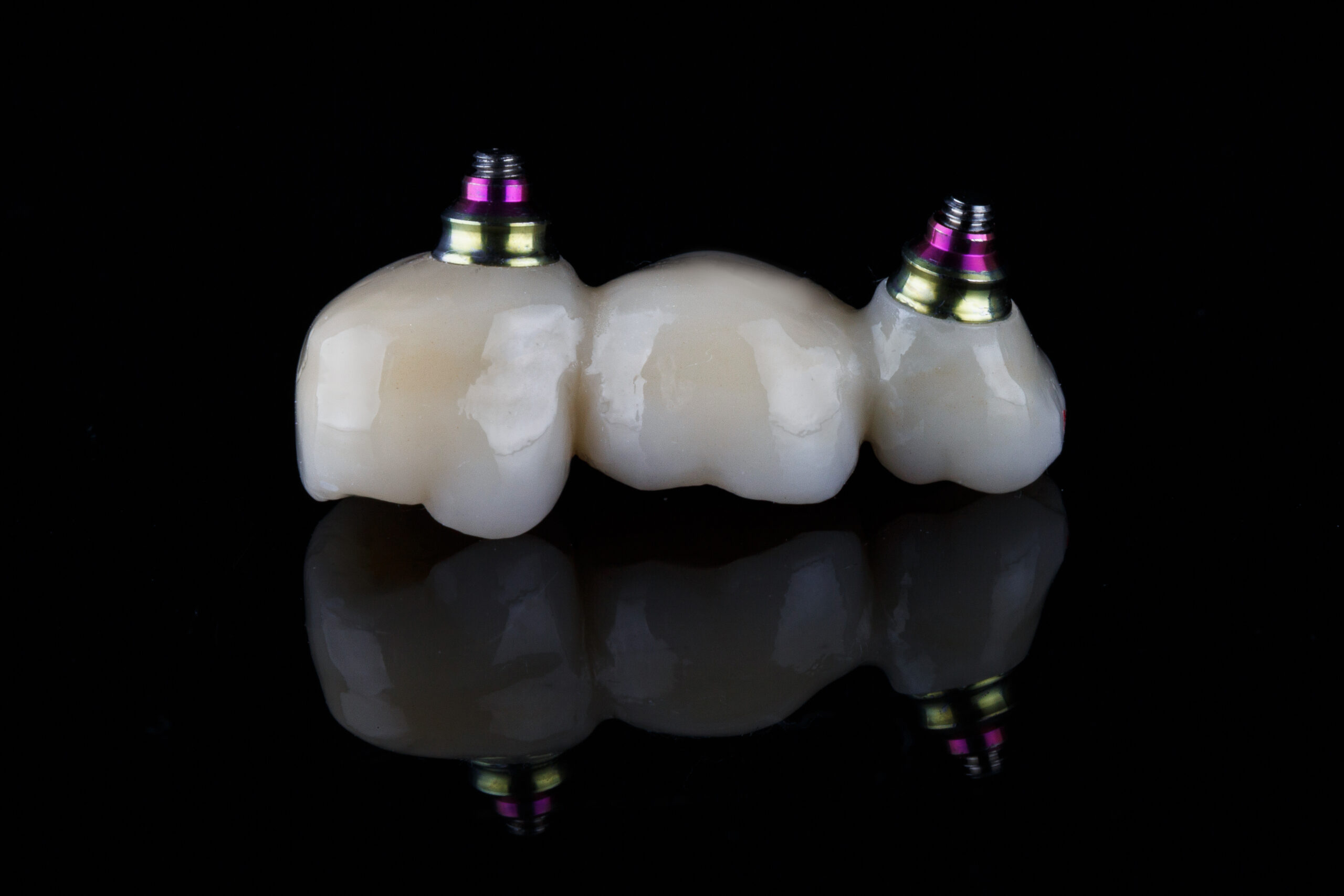
A dental bridge is a fixed restoration that fills the space left by a missing tooth. Two supporting teeth, called abutments, hold a false tooth, known as a pontic, in the gap between them. We shape and cap those abutment teeth with porcelain or zirconia, materials chosen for their color match and long-term strength, rather than a bulkier metal design. Once the bridge is in place, it stays fixed in your mouth rather than coming out for cleaning as a removable partial would.
Tooth loss is common enough that most adults face it at some point, whether from decay, an injury, or an extraction that could not be avoided. National data show complete tooth loss among adults 65 and older fell from nearly 30 percent in 1999 to about 13 percent in recent years, according to a federal health statistics brief, though it still affects a meaningful share of seniors today. A bridge fills that space so eating, speaking, and smiling feel normal again, and so neighboring teeth do not drift into the open gap over time.
Types of Dental Bridges to Consider
The right bridge design depends on how many teeth are missing, the condition of the surrounding teeth, and what your bite needs to function well. Our team walks through a few different approaches with each patient before recommending one, because a design that works well for a back molar may not always suit a more visible front tooth.
Traditional and Cantilever Bridges
A traditional bridge uses natural teeth on both sides of the gap as abutments, while a cantilever design anchors to only one side when just one supporting tooth is available. Dr. Emily Hébert brings advanced training in crown and bridge dentistry to these cases, helping determine which natural teeth can safely support the pontic without added strain.
Implant-Supported Bridges
When several teeth in a row are missing, an implant-supported bridge anchors to one or more dental implants instead of natural teeth, relieving pressure on the remaining teeth. This option can preserve more jawbone that might otherwise shrink after tooth loss because the implant provides the same kind of stimulation a natural root once did.
Are Dental Bridges Right for You?
A bridge often makes sense when the teeth next to a gap are healthy enough to support a crown and your gums show no active disease. The following factors help determine whether a bridge, an implant, or another option fits your situation best:
- Gum health: Healthy gums around the gap provide a stable foundation for a bridge or implant.
- Adjacent teeth: Strong, decay-free teeth next to the space make good candidates for supporting a traditional bridge.
- Bone level: Adequate bone in the jaw supports either a bridge or an implant option over the long term.
- Bite pattern: How your teeth come together affects which design holds up best over years of daily use.
Our restorative dentistry team reviews each of these areas, sometimes alongside dental crowns or other repairs, before recommending the design that fits your smile and your budget.
Schedule a Bridge Consultation With Coastal Cosmetic & Family Dentistry
A missing tooth does not have to change how you eat or how confident you feel in photos. Our doctors bring training in full-arch rehabilitation from the Dr. Dick Barnes Group, along with day-to-day experience placing crowns, bridges, and implants, so you get a plan built around your mouth rather than a one-size-fits-all fix. We take the time to walk through each option in plain language before any work begins.
We welcome patients with all types of dental insurance. While we are not in-network with every plan, our team is glad to help you understand your out-of-network benefits and offer financing options for patients who want to spread out the cost of treatment. If a gap in your smile has been on your mind, reach out through our contact form, and our team can help you find an appointment time that works.