
Root Canals in Cantonment, FL
Protect your oral health with Root Canals in Cantonment, FL—gentle, effective care focused on relieving pain, saving your natural tooth, and restoring comfort.
A root canal is a treatment designed to save a tooth that has become severely damaged or infected. When bacteria reach the soft tissue inside your tooth, called the pulp, the result is often intense pain, swelling, and sensitivity to hot or cold temperatures. Root canals in Cantonment offer a way to remove this infected tissue, relieve your discomfort, and preserve your natural tooth. At Coastal Cosmetic and Family Dentistry, our team provides root canal therapy to patients throughout the Pensacola area, including those in Cantonment and surrounding communities.
If you have been told you need a root canal, you may feel nervous about the procedure. Many people associate root canals with pain, but modern techniques and anesthesia make the treatment more comfortable than the toothache that brought you in. According to the American Dental Association, root canals are used to repair and save a severely damaged or decaying tooth instead of removing it. Our Pensacola dental office uses advanced technology and gentle care to help you feel at ease throughout the process.
What Is a Root Canal and When Do You Need One?
A root canal becomes necessary when the pulp inside your tooth becomes inflamed or infected. The pulp contains nerves, blood vessels, and connective tissue that helped your tooth develop when you were younger. Once the tooth is fully mature, it can survive without the pulp because surrounding tissues continue to nourish it.
Several conditions can lead to pulp damage that requires root canal treatment. Deep decay from an untreated cavity is one of the most common causes. When a cavity grows large enough, bacteria can reach the pulp chamber and cause infection. Cracks or chips in the tooth can also allow bacteria to enter. Repeated dental procedures on the same tooth may weaken it over time, making the pulp more vulnerable. Trauma to the tooth, even if there is no visible crack, can injure the pulp and lead to problems months or years later.

Relieve pain and save your tooth with Root Canals in Cantonment, FL—effective treatment for lasting oral health.
Signs You May Need Root Canal Treatment
Recognizing the warning signs of pulp infection can help you seek treatment before the problem becomes more serious. Persistent tooth pain is often the first symptom patients notice. This pain may be constant or come and go, and it frequently worsens when you bite down or apply pressure to the tooth. Sensitivity to hot or cold that lingers after the source is removed is another indicator. While brief sensitivity is normal, prolonged discomfort lasting more than a few seconds suggests deeper issues.
Swelling in the gums near the affected tooth is another common sign. You might notice a small bump on your gums that looks like a pimple. This is called a dental abscess, and it forms when infection spreads from the tooth root into the surrounding bone. Darkening or discoloration of the tooth can also signal pulp damage. If you experience any of these symptoms, scheduling a dental exam at our Pensacola office allows our team to evaluate the tooth and recommend the appropriate treatment.
How Does the Root Canal Procedure Work?
The root canal process typically takes one or two appointments, depending on the severity of the infection and the complexity of the tooth. Before starting, your dentist will take X-rays to examine the shape of the root canals and check for signs of infection in the surrounding bone. Local anesthesia is administered to numb the area, so you will not feel pain during the procedure.
Once you are comfortable, your dentist will place a rubber dam around the tooth to keep it dry and free from saliva. A small opening is made in the crown of the tooth to access the pulp chamber. Using specialized instruments, the infected pulp tissue is carefully removed from the chamber and root canals. The canals are then cleaned, shaped, and disinfected to eliminate any remaining bacteria.
After the canals are thoroughly cleaned, they are filled with a rubber-like material called gutta-percha. This material seals the canals and prevents future infection. A temporary filling is placed to close the opening. In most cases, a dental crown is recommended to restore the tooth’s strength and protect it from fracture. Our office offers same-day crown options for patients who want to complete their treatment in fewer visits.
What to Expect During Recovery
Most patients can return to normal activities the day after their root canal treatment. Some tenderness in the area is normal for a few days, particularly when chewing. Over-the-counter pain relievers like ibuprofen or acetaminophen are usually enough to manage any discomfort. Your dentist may also prescribe antibiotics if the infection had spread beyond the tooth.
Avoid chewing on the treated tooth until your permanent crown is placed. Eating soft foods and chewing on the opposite side of your mouth will help protect the temporary filling. Maintaining good oral hygiene during recovery is important. Continue brushing and flossing as normal, being gentle around the treated area.
Benefits of Saving Your Natural Tooth
Choosing a root canal over tooth extraction offers several advantages. Your natural tooth provides the best function for biting and chewing. It also maintains your normal bite and prevents other teeth from shifting out of position. While tooth replacement options like dental implants and bridges are effective, they require additional procedures and cost more than preserving your existing tooth.
A root canal allows you to keep your natural smile without the visible gaps that can affect your confidence. With proper care, a tooth that has received root canal treatment can last a lifetime. Regular dental exams and cleanings help ensure the treated tooth and surrounding teeth stay healthy.
Root Canal Treatment Near Cantonment at Coastal Cosmetic and Family Dentistry
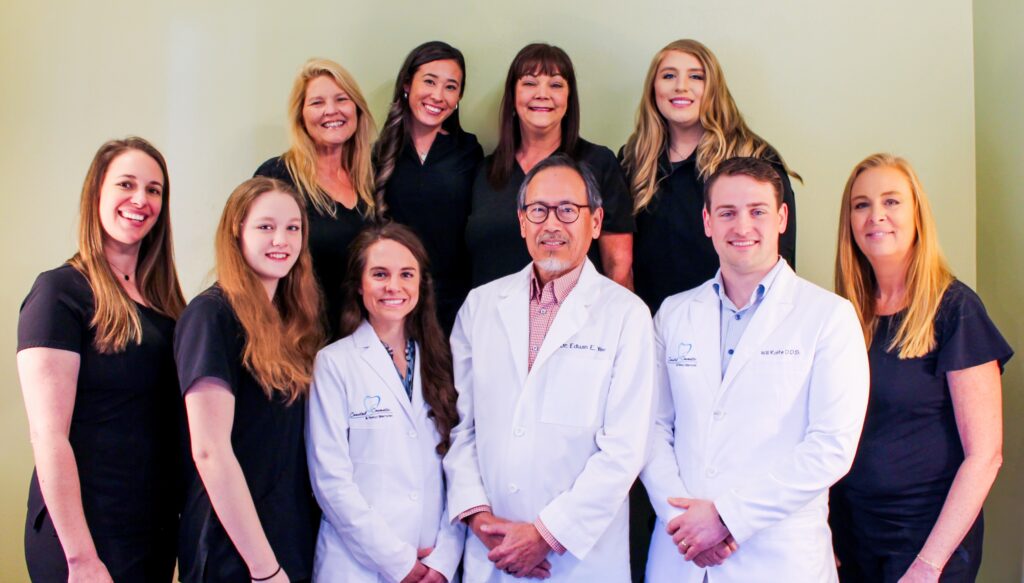
Cantonment residents looking for root canal treatment can trust our team at Coastal Cosmetic and Family Dentistry. Dr. William Rolfe and Dr. Emily Hébert both have advanced training in root canal procedures and are committed to making your experience as comfortable as possible. Our Pensacola office is conveniently located for patients from Cantonment, Gulf Breeze, Ensley, Warrington, and Ferry Pass.
We understand that dental emergencies do not wait for convenient times. If you are experiencing severe tooth pain, contact our office to schedule an evaluation. Our team will work to see you promptly and determine whether root canal therapy is the right solution for your situation. For patients without dental insurance, we offer an in-house membership plan that includes preventive care and discounts on treatment.
📍 Visit Us: 6160 N. Davis Highway #6, Pensacola, FL 32504 📞 Call: (850) 820-7293 📩 Or Request an Appointment Online Today
- 6160 N Davis Hwy #6, Pensacola, FL 32504, United States
- 850-479-3355
- Mon, Tue, Wed, Thu: 7:30am-3pm, Sat-Sun Closed
Frequently Asked Questions About Root Canals in Cantonment
Is a root canal painful?
Modern root canal treatment is performed with local anesthesia, so most patients feel little to no discomfort during the procedure. The treatment actually relieves the pain caused by the infected pulp. Any soreness after the procedure is typically mild and can be managed with over-the-counter pain medication.
How long does a root canal take?
Most root canal procedures take between 60 and 90 minutes per appointment. Simple cases involving front teeth may be completed more quickly, while molars with multiple root canals may take longer. Your dentist will give you a more accurate estimate based on your specific situation.
Can I drive myself home after a root canal?
Yes, most patients can drive themselves home after root canal treatment. The local anesthesia used during the procedure does not affect your ability to drive. However, if you choose sedation dentistry options, you will need someone to drive you.
How much does a root canal cost?
The cost of a root canal varies depending on the tooth location and complexity of the case. Front teeth generally cost less than molars because they have fewer roots. Our team will provide a detailed treatment plan with cost estimates before beginning any work. We accept most dental insurance plans and offer financing through CareCredit.
What happens if I do not get a root canal?
Without treatment, the infection can spread to surrounding teeth, gums, and bone. An untreated dental abscess can become a serious health concern if bacteria enter your bloodstream. In most cases, the only alternative to a root canal is extracting the tooth entirely.