 The mere mention of a root canal can trigger instant dread, thanks to decades of exaggerated horror stories and outdated misconceptions. The truth is that modern root canal therapy is virtually painless, and advances in dental technology have transformed what was once a lengthy ordeal into a comfortable, routine procedure that saves natural teeth and eliminates infection.
At Coastal Cosmetic and Family Dentistry in Pensacola, Dr. Matthew Bishop and Dr. Emily Hébert utilize advanced techniques and sedation dentistry options to ensure patients experience minimal discomfort during endodontic treatment. We address root canal anxiety through transparent communication, gentle care, and proven pain management strategies that prioritize your comfort above all else.
The Reality Behind Root Canal Pain
Most people avoid root canals because they believe the procedure itself causes intense pain. However, root canals can actually relieve the pain an infected tooth causes.
Understanding the True Source of Discomfort
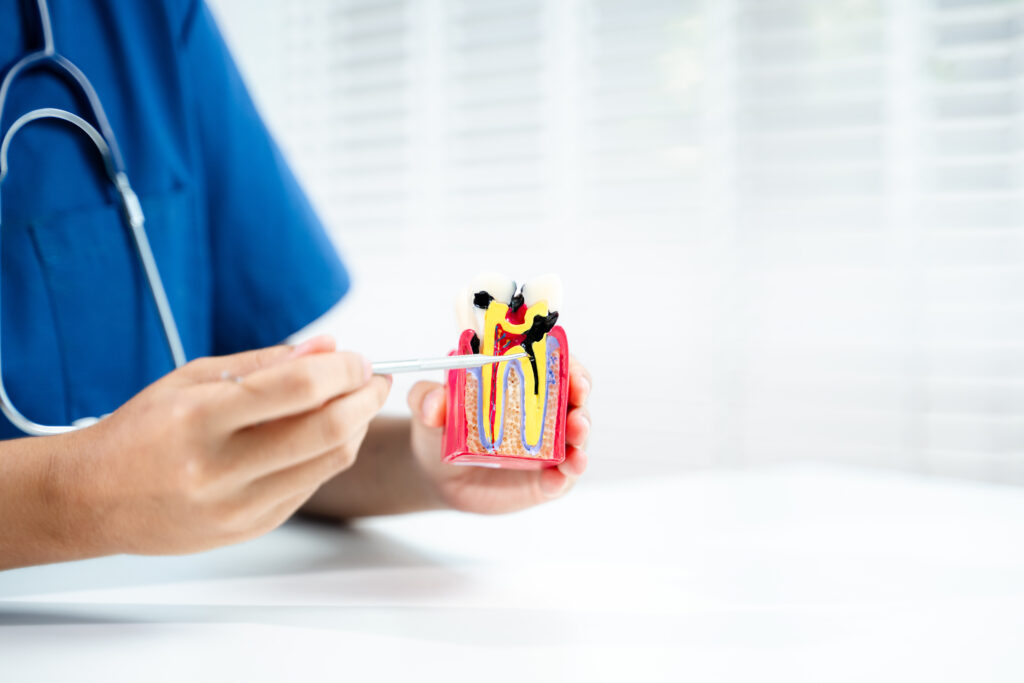
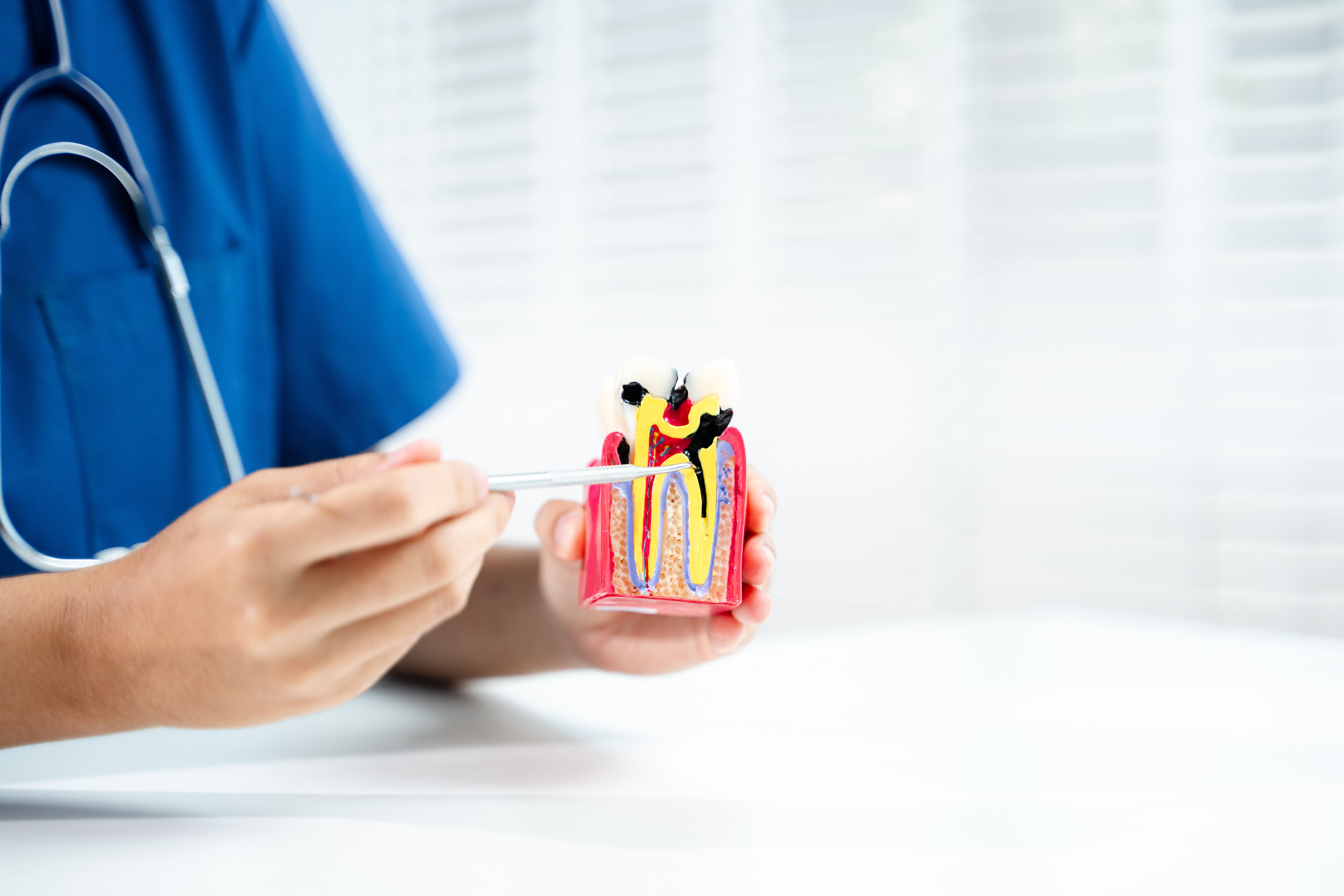
The pain people associate with root canals actually comes from the infection inside the tooth, not the treatment. An abscessed tooth occurs when bacteria enter the pulp through decay, periodontal disease, or a cracked tooth, creating pressure and inflammation that can be excruciating. The root canal procedure removes this infected tissue, immediately relieving the source of pain.
Modern Anesthesia Makes All the Difference
Modern anesthesia techniques ensure you feel nothing during the treatment itself. We use precise local anesthetics that completely numb the treatment area, and patients often report less discomfort than during a standard dental filling procedure. For patients with severe anxiety, nitrous oxide or oral sedation options create a relaxed, comfortable experience from start to finish.
Common Myths That Fuel Root Canal Fear
Several persistent myths continue to circulate about root canal therapy, despite being thoroughly debunked by dental research. Understanding the facts helps you make informed decisions about your dental health.
The Myth of Systemic Illness
One widespread misconception claims that root canals cause illness in other parts of the body. This originated from flawed research conducted nearly a century ago and has been repeatedly disproven by modern scientific studies showing no connection between root canal treatment and systemic disease.
Extraction Versus Preservation
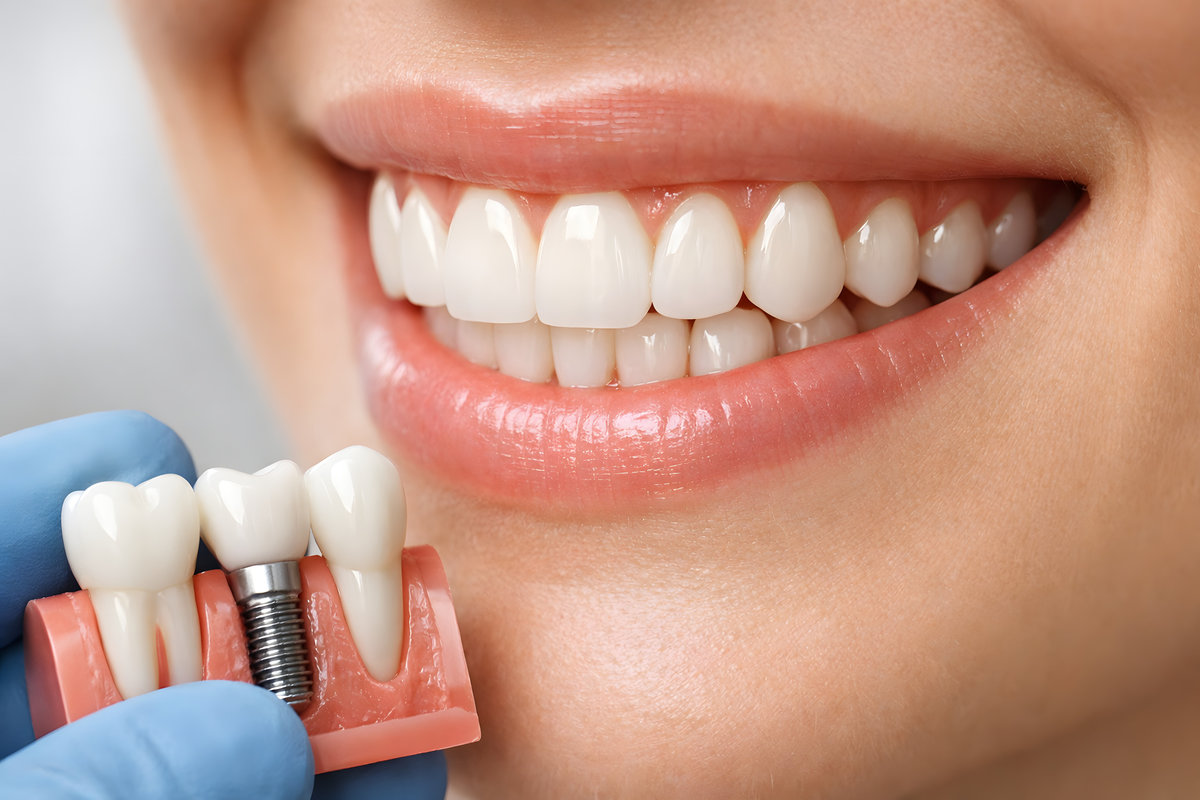
Another common myth suggests that extracting the tooth is a better alternative to root canal therapy. While tooth extraction may seem simpler, it creates additional problems. Missing teeth can cause neighboring teeth to shift, affect your bite alignment, and require replacement, like dental bridges or dental implants, which are typically more expensive and time-consuming than saving the natural tooth. Preserving your natural tooth through root canal therapy maintains proper jaw structure and prevents bone loss that follows extraction.
Recovery Time Misconceptions
Some patients believe recovery from root canal therapy takes weeks and involves severe pain. However, most people return to normal activities the next day with only mild sensitivity that responds well to over-the-counter pain medication. Any discomfort experienced after the procedure is significantly less than the throbbing pain of an infected tooth, and it resolves quickly as healing progresses.
What Modern Root Canal Treatment Actually Involves
Today’s root canal procedures bear little resemblance to the outdated treatments that gave the procedure its frightening reputation. Modern technology and techniques have transformed the experience into a comfortable, predictable process.
Advanced Diagnostic Tools
Digital imaging provides detailed views of your tooth’s internal structure before treatment begins. This technology allows dentists to precisely identify infected areas and plan treatment with accuracy impossible just a decade ago. The entire procedure typically takes 60 to 90 minutes for most teeth, though complex cases may require a second appointment.
The Step-by-Step Treatment Experience
After thoroughly numbing the area, we create a small opening in the tooth’s crown to access the infected pulp chamber. The following steps ensure complete removal of infection and proper sealing of the tooth:
- Cleaning and removal: We carefully remove infected tissue from the pulp chamber and root canals using specialized instruments designed for precision and comfort.
- Disinfection: We thoroughly clean the empty canals with antimicrobial solutions that eliminate any remaining bacteria and prevent future infection.
- Filling and sealing: A biocompatible material called gutta-percha fills the cleaned canals, and a temporary or permanent restoration protects the tooth during healing.
- Final restoration: In most cases, we place a crown over the affected tooth to strengthen it and restore full function once the root canal has healed completely.
Most patients experience only mild soreness for a few days following treatment, similar to the sensation after having a cavity filled. The tooth itself no longer feels pain because the nerve has been removed, though surrounding tissues may be tender as they heal. Root canal therapy boasts a success rate exceeding 95%, with properly treated teeth lasting a lifetime when protected by a crown and maintained through regular dental cleanings.
Experience Gentle, Anxiety-Free Root Canal Care at Coastal Cosmetic and Family Dentistry
Understanding your concerns about root canal treatment is part of comprehensive patient care at Coastal Cosmetic and Family Dentistry. Dr. Matthew Bishop brings years of experience performing endodontic procedures, while Dr. Emily Hébert completed advanced training in root canals and multiple aspects of restorative dentistry. Both dentists take time to explain each step of the procedure, answer your questions, and ensure you feel completely comfortable before beginning treatment.
The practice offers flexible sedation options and uses the latest technology to make root canal therapy as efficient and pleasant as possible. Don’t let outdated fears prevent you from saving your natural tooth and ending the pain of infection. Contact Coastal Cosmetic and Family Dentistry today to discuss your root canal concerns and discover how modern dentistry has transformed this essential procedure into a routine, comfortable experience.