Medically Reviewed by Dr. William Rolfe on September 22, 2026
You’ve invested time and money in a dental crown, and the last thing you want is for it to fail before its time. A crown that’s placed well can last 15 years or longer, but only if you treat it right at home and at the checkup chair.
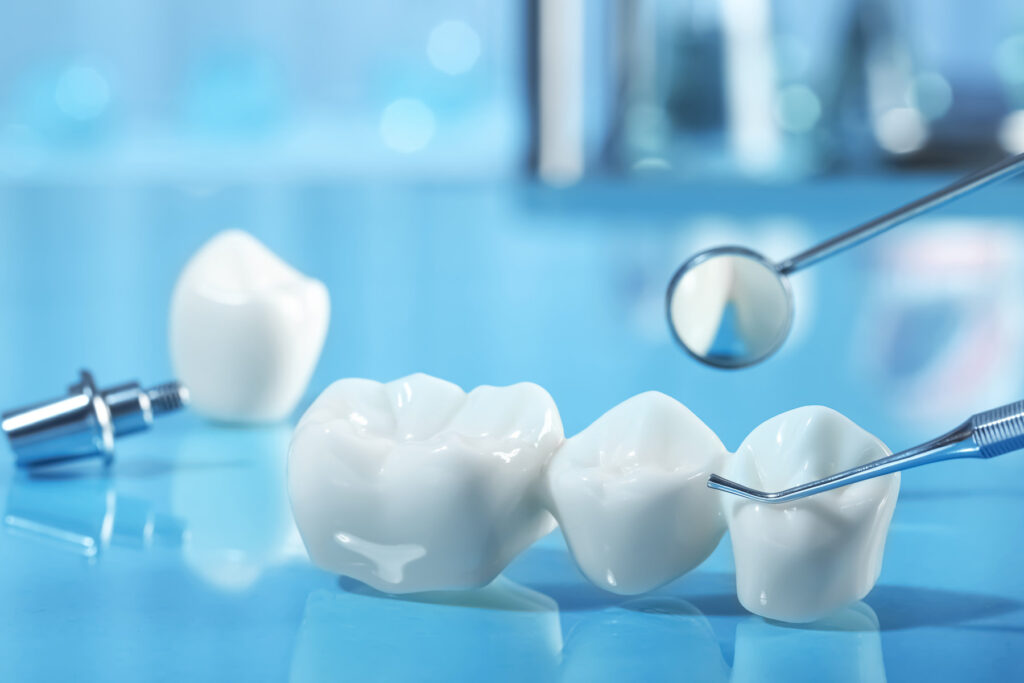
At Coastal Cosmetic and Family Dentistry, our team walks through aftercare with every patient before they leave the office. Our dental crowns are crafted from porcelain or zirconia chosen to match each patient’s bite pattern and aesthetic goals. The care steps below apply whether your crown was placed on a molar, a front tooth, or over a root canal-treated tooth.
The First 48 Hours Matter Most
A new crown is cemented into place, but the cement needs time to fully cure. During the first day or two, stick to soft foods and chew on the opposite side of your mouth. Avoid sticky foods like caramel, gummy candies, or chewy bread, as these can pull the crown before the bond is completely set.
Some patients notice sensitivity to temperature or pressure right after placement. This is normal, particularly when the underlying tooth was treated for decay or had significant structure removed. If sensitivity lingers beyond a week or worsens rather than fades, let us know.
Daily Cleaning Around a Crown
Brushing and flossing around a crown requires a bit more attention than your natural teeth. The crown itself cannot decay, but the tooth underneath it can, particularly at the gumline where the crown margin meets the natural tooth structure.
Brush twice daily with a soft-bristle toothbrush. Many patients find fluoride-free options like Dr. Jen’s Nano-hydroxyapatite toothpaste helpful for minimizing post-crown sensitivity while supporting enamel on adjacent teeth. For rinsing, OraCare is formulated to reduce bacteria at the gumline without the drying effect of standard alcohol-based mouthwashes.
When flossing, slide gently rather than snapping the floss between the crown and the neighboring tooth. A water flosser works well as a supplement, especially for crowns placed on molars where traditional floss is harder to maneuver.
Habits That Shorten a Crown’s Lifespan
A crown is durable, but it isn’t indestructible. These habits put crowns at risk more often than patients realize:
- Chewing ice or hard candies
- Using your teeth to open packages or tear tape
- Clenching or grinding during sleep
- Biting fingernails regularly
Grinding and clenching, known as bruxism, is one of the most common causes of premature crown failure. If you wake up with jaw soreness or notice wear on adjacent teeth, ask about a nightguard at your next visit. We can also evaluate whether jaw joint tension is a factor through our TMJ treatment options.
When to Call the Office
Most crowns settle in without issue. Still, certain symptoms are worth calling about sooner rather than later:
Ready to Schedule Your Visit?
Now Accepting New Hygiene Patients
- The crown feels high when you bite down
- Sensitivity does not improve after two weeks
- The crown feels loose or shifts under pressure
- A grayish line appears at the gumline
A quick adjustment can fix a bite issue before it leads to more significant wear. Do not wait for a scheduled cleaning if something feels off. The earlier a problem is addressed, the simpler the fix.
Why Routine Visits Still Matter
Six-month checkups are more important after a crown is placed, not less. X-rays taken at those visits allow us to check the crown margins, the bone surrounding the tooth, and the health of neighboring teeth before a problem becomes visible. Professional cleaning also reaches areas around the crown that are difficult to access at home.
If you would like to protect your smile without the overhead of insurance premiums, our savings plan at $299 per year covers cleanings, x-rays, and discounts on restorative services. According to the American Dental Association’s Mouth Healthy resource, crowns typically last between five and fifteen years depending on oral hygiene and wear habits.
Schedule a Visit at Coastal Cosmetic and Family Dentistry
A crown placed by our team in Pensacola is built to last. The partnership between careful placement and consistent home care is what takes it to the finish line. Whether you’re a week out from your procedure or have had your crown for years and want to confirm you’re caring for it correctly, we’re here to help.
Reach out through our contact page to schedule a visit. We’ll walk you through every step and answer any questions you have along the way.
Frequently Asked Questions About Dental Crown Care
How long does a dental crown typically last?
With proper care, a crown can last 15 years or more. Porcelain and zirconia crowns hold up well under normal bite pressure. Grinding and skipping routine visits are the two factors that shorten crown lifespan most consistently.
Can the tooth under my crown still get a cavity?
Yes. The crown itself does not decay, but the natural tooth structure beneath it can develop decay at the margin where the crown meets the gumline. Thorough brushing and flossing right at that junction, along with regular professional cleanings, are the best prevention.
Is sensitivity after a crown placement normal?
Mild sensitivity to temperature or pressure in the first one to two weeks is common, especially when the prep involved removing significant tooth structure or addressing decay. If sensitivity is sharp, worsens, or lasts beyond two weeks, contact our office.
What should I do if my crown falls off?
Call our office right away. Keep the crown in a safe place and avoid chewing on that side. In many cases, we can re-cement the crown during a same-day or next-day visit.
About the Author
Dr. William Rolfe
Coastal Cosmetic and Family Dentistry, Pensacola, FL
Dr. William Rolfe is the dentist at Coastal Cosmetic and Family Dentistry in Pensacola, Florida. He provides comprehensive dental care for families throughout the Pensacola area, including dental crowns, root canal therapy, TMJ treatment, and clear aligner orthodontics, with a focus on patient education and lasting results at every appointment.
Ready to Schedule Your Visit?
Now Accepting New Hygiene Patients