Medically Reviewed by Dr. William Rolfe, DDS on September 23, 2026
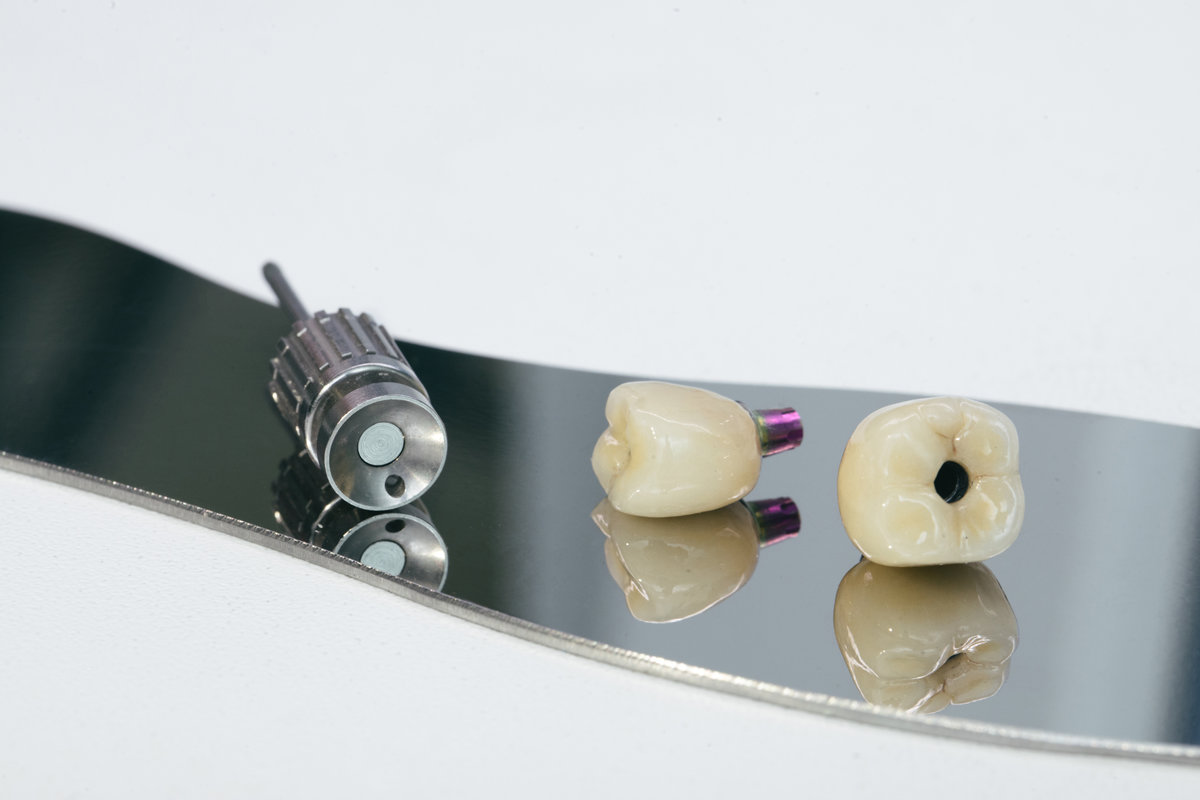 The material inside your dental crown matters more than most people realize. When a tooth is damaged, decayed, or structurally compromised, a crown becomes the foundation of your smile, and the material it’s made from determines how it looks, how it holds up, and how it feels for years to come. Not all crown materials are created equal, and what goes on your tooth is a decision worth understanding before you sit down in the chair.
At Coastal Cosmetic & Family Dentistry in Pensacola, we primarily use porcelain and zirconia restorations for dental crowns. Dr. William Rolfe and Dr. Emily Hébert believe the materials used in your care should reflect both the science and the aesthetics of modern dentistry. That commitment shapes nearly every restoration we place.
Why Crown Material Is More Than a Cosmetic Choice
Choosing a crown material isn’t simply about how a tooth looks — it’s about how the restoration performs under real-world conditions. Chewing forces, temperature changes, and long-term wear all affect how a crown holds up over time. The right material needs to handle that stress while still blending in with your natural smile.
The Problem with Older Crown Options
Older crown types, including porcelain-fused-to-metal, were long considered a standard option, but they come with real drawbacks. The metal substructure beneath the porcelain can create a dark line at the gumline as tissue ages, and the porcelain layer is more prone to chipping when it’s bonded over metal. These limitations led us to move away from those options in most cases, in favor of restorations that perform better and look more natural in the long term. In rare cases, such as a molar in the very back of the mouth where no other restoration can reliably hold up, a full-coverage metal crown may still be the most appropriate option.
What Makes Porcelain and Zirconia Different
Both porcelain and zirconia offer something that older metal-based crowns simply cannot: a metal-free restoration that matches the natural color and light-reflecting properties of real teeth. Each material also has its own specific strengths depending on where and how the crown is being used.
Porcelain Crowns
Porcelain crowns are known for their translucency and lifelike appearance. Because porcelain mimics how natural enamel catches and reflects light, these restorations tend to blend in seamlessly, particularly in the front of the mouth where aesthetics are most visible. We often recommend porcelain for situations where the visual result is a top priority and where the restoration won’t face extreme biting forces.
Zirconia Crowns
Zirconia has become one of the most significant advances in restorative dentistry over the past decade. Advances in esthetic zirconia have blended the natural look of porcelain with the strength and long-term durability that the material is known for. Research published in PMC/National Institutes of Health found that zirconia crowns demonstrated excellent durability under high occlusal loads, with no complete crown fractures observed across a 24-month study period, even in patients with bruxism. For back teeth or patients with heavier bite forces, zirconia is often the stronger choice.
How We Decide Which Material Is Right for You
No two patients are exactly alike, and our approach to crown material reflects that. The location of the tooth, the amount of remaining structure, the forces it will face, and your personal aesthetic goals all factor into the decision. We take the time to walk through those considerations with you before any work begins.
When Protecting Healthy Tooth Structure Is the Goal
There are situations where a full crown isn’t the most conservative path forward. When a patient has healthy tooth structure to work with, we may recommend porcelain veneers as a less invasive option. In other cases, we modify our crown preparation to be more conservative, sometimes called a 3/4 crown or veneer-lay, which retains the strength of a crown while preserving more of the natural tooth. This philosophy reflects a broader commitment to tooth-colored restorations that support both function and aesthetics without removing more structure than necessary.
For patients who need more comprehensive work, the same material philosophy carries through into full mouth restorations. Whether we’re restoring a single tooth or rebuilding an entire smile, porcelain and zirconia remain our materials of choice in the vast majority of cases.
What is the difference between porcelain and zirconia dental crowns?
Porcelain crowns are valued for their natural translucency and lifelike light-reflection, making them a strong choice for front teeth where aesthetics are the priority. Zirconia crowns combine a natural appearance with greater strength and durability, making them particularly well-suited for back teeth or patients with heavier bite forces or bruxism. Dr. Rolfe and Dr. Hébert evaluate each patient’s tooth location, bite forces, and aesthetic goals to recommend the material that offers the best long-term result.
How long do porcelain and zirconia crowns last?
Both materials are designed for long-term performance with proper care. Porcelain crowns typically last 10 to 15 years, while zirconia has shown strong durability in clinical research, including studies observing no complete crown fractures over multi-year periods even under high bite forces. Longevity depends on oral hygiene habits, the presence of grinding or clenching, and regular checkups to monitor the restoration.
Are metal crowns still used at Coastal Cosmetic and Family Dentistry?
Full metal crowns are reserved for rare situations where the tooth’s position or structural demands cannot be reliably met by other materials, such as a molar at the very back of the mouth. In the vast majority of cases, Dr. Rolfe and Dr. Hébert use porcelain or zirconia restorations, which are metal-free, aesthetically superior, and free from the dark gumline discoloration that older porcelain-fused-to-metal crowns can develop over time.
Can I get a more conservative restoration instead of a full crown?
Yes, in cases where sufficient healthy tooth structure remains, a more conservative approach may be appropriate. Depending on the situation, Dr. Rolfe and Dr. Hébert may recommend porcelain veneers or a modified crown preparation that preserves more of the natural tooth. This conservative philosophy is central to how Coastal Cosmetic and Family Dentistry approaches restorative care, protecting what is healthy while restoring what has been compromised.
Schedule Your Crown Consultation at Coastal Cosmetic & Family Dentistry
When you need a dental crown, the material we use and the care we take in placing it are decisions that affect your smile for years. At Coastal Cosmetic & Family Dentistry, Dr. William Rolfe and Dr. Emily Hébert bring a commitment to modern, largely metal-free restorations and a conservative treatment philosophy designed to protect what’s healthy while restoring what’s been compromised.
If you’re ready to discuss whether a dental crown is right for you, we’d love to help. Reach out to our Pensacola office by submitting a request through our appointment request form.
ABOUT THE AUTHOR
Dr. William Rolfe, DDS
Dentist at Coastal Cosmetic & Family Dentistry, Pensacola, FL
Dr. William Rolfe earned his dental degree from Louisiana State University School of Dentistry and holds memberships in the Academy of General Dentistry and the American Academy of Cosmetic Dentistry. He provides a full range of cosmetic and restorative dental services at Coastal Cosmetic & Family Dentistry in Pensacola, FL.