
Medically Reviewed by Dr. William Rolfe, DDS on September 24, 2026
When multiple teeth are damaged, missing, or severely worn, the discomfort and self-consciousness can affect far more than your smile. Eating becomes difficult. Speaking clearly takes effort. And many patients put off treatment for years simply because they don’t know where to start.
Full mouth reconstruction at Coastal Cosmetic and Family Dentistry in Pensacola is designed for exactly this situation. Rather than treating each problem in isolation, our restorative dentistry approach addresses every tooth that needs attention in a coordinated plan, so your bite, your function, and your appearance are all restored together.
What Full Mouth Reconstruction Actually Means
Full mouth reconstruction is not a single procedure. It’s a treatment plan that combines multiple restorative and, in some cases, cosmetic procedures to rebuild an entire mouth that has been compromised by decay, injury, wear, or missing teeth.
The term can feel intimidating, but the process is methodical. Our team evaluates your full oral health first, then sequences the procedures in the order that makes the most clinical sense. Foundational work, such as treating active decay or gum disease, comes before cosmetic refinements. Each phase builds on the last.
Common Conditions That Lead to Reconstruction
Not every patient who needs full mouth reconstruction arrived there the same way. Several underlying issues, individually or in combination, tend to make a comprehensive approach necessary:
- Severe tooth decay affecting most of the dentition
- Multiple missing teeth that have shifted the bite
- Teeth worn down by chronic grinding or acid erosion
- Dental trauma from an accident or injury
- Long-term gum disease that has compromised bone and tissue support
According to the CDC’s adult oral health data, a significant portion of American adults have untreated tooth decay or have lost teeth to disease. Full mouth reconstruction is often the first real opportunity many patients have had in years to address the full picture rather than just the most acute pain.
What to Expect During the Process
The first appointment for a reconstruction case is a thorough diagnostic visit. We take X-rays, photograph your current bite, and examine every tooth and the supporting structures around it. From that baseline, we build a phased treatment plan specific to your situation.
Depending on what the plan requires, treatment might include a combination of the following:
- Crowns and inlays to restore damaged teeth
- Dental bridges to span gaps left by missing teeth
- Dental implants for permanent tooth replacement
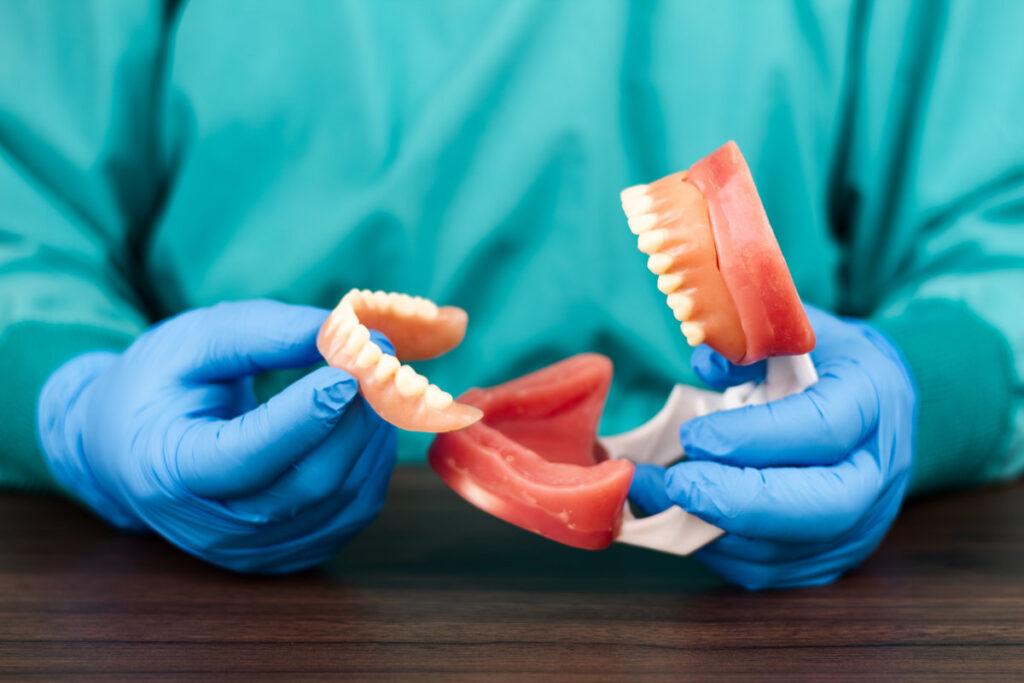
- Dentures or partial dentures where appropriate
- Periodontal treatment to stabilize the gum and bone foundation
Throughout the process, we focus on achieving a bite that distributes pressure evenly. A reconstruction that looks good but leaves the bite off will create new problems over time. Occlusal balance is part of the outcome, not an afterthought.
How Long Does Full Mouth Reconstruction Take
There is no universal timeline. A straightforward case involving a handful of crowns and a couple of implants might take four to six months from start to finish. More complex situations involving bone grafting, multiple implants, and staged cosmetic work can span a year or longer.
We build the sequence to minimize the time you spend without function. Where possible, we place temporary restorations so you can eat and speak comfortably while permanent work is completed. Our goal is never to leave you in a difficult in-between state for longer than necessary.
The Cosmetic Side of Reconstruction
Full mouth reconstruction is primarily a functional undertaking, but the two goals are not in conflict. When we’re rebuilding teeth from the ground up, the shape, shade, and proportion of the final restorations are part of the plan from the beginning. Many patients are surprised at how dramatically their appearance changes by the time functional treatment is complete.
For patients whose reconstruction goals extend into full cosmetic transformation, we can incorporate elements of our smile makeover planning into the process. Both the function and the final aesthetic are mapped out before the first procedure begins.
Ready to Schedule Your Visit?
Now Accepting New Hygiene Patients
Signs You May Need Full Mouth Reconstruction
Some patients come in already knowing they need significant work. Others aren’t sure whether their situation crosses the threshold for reconstruction or whether individual procedures would be enough. These are the signs that typically point toward a comprehensive approach.
Chronic discomfort or pain when chewing is one of the clearest indicators. When multiple teeth are failing simultaneously, the bite compensation required to avoid pain puts strain on the jaw and the remaining healthy teeth. Difficulty eating certain textures, persistent jaw pain, or recurring headaches can all trace back to structural problems that isolated fixes won’t resolve.
Visible deterioration across most of the mouth — severe wear, widespread cracking, significant discoloration from enamel erosion — is another signal. When the damage isn’t isolated to one or two teeth but affects the majority of the dentition, a coordinated reconstruction plan is more effective than addressing each tooth independently over years of separate appointments.
Bite or alignment changes that have developed gradually over time often go unnoticed until the effects become significant. If you’ve noticed that your teeth don’t come together the way they used to, or that your jaw feels off when you close your mouth, that shift warrants a comprehensive evaluation.
Conditions That Can Make Reconstruction Medically Necessary
Full mouth reconstruction isn’t always the result of neglect. Several medical and developmental conditions can compromise the dentition in ways that require a comprehensive restorative approach regardless of how diligent a patient has been.
Severe acid erosion from chronic acid reflux or past eating disorders can wear enamel down to a level where standard restorations aren’t sufficient to rebuild function across the full mouth. Traumatic injuries — accidents, falls, sports impacts — that damage or knock out multiple teeth simultaneously require a coordinated reconstruction rather than a series of isolated repairs.
Congenital conditions and developmental disorders that affect tooth formation, such as amelogenesis imperfecta or ectodermal dysplasia, can result in missing, malformed, or structurally compromised teeth that need comprehensive treatment once a patient reaches adulthood. Advanced periodontal disease that has caused significant bone loss around multiple teeth also falls into this category — restoring the teeth without addressing the structural foundation underneath them isn’t a durable solution.
Schedule a Consultation at Coastal Cosmetic and Family Dentistry
If you’ve been living with significant dental problems and have avoided getting a full picture of what’s needed, a consultation is the right first step. There’s no commitment involved in the diagnostic visit, and no pressure to begin treatment before you’re ready. Our team at Coastal Cosmetic and Family Dentistry will lay out exactly what we see, what your options are, and how a phased plan could work within your schedule and budget.
Reach out through our contact page to request an appointment. We’re here when you’re ready to take that first step.
Am I a candidate for full mouth reconstruction?
Good candidates are patients with multiple teeth that are damaged, missing, severely worn, or affected by long-term gum disease. If a single procedure won’t address the full scope of what’s needed, a reconstruction plan likely makes more sense than treating each issue separately.
Is full mouth reconstruction covered by insurance?
Portions of the treatment that are restorative in nature, such as crowns, extractions, and implants, may be partially covered depending on your plan. Cosmetic components are typically not covered. We can help you understand what your benefits apply to before any work begins.
Does full mouth reconstruction hurt?
Each individual procedure is performed with anesthesia, so discomfort during treatment is minimized. Recovery between stages varies by procedure. Most patients find that once foundational problems like infection or broken teeth are resolved, they feel significantly more comfortable than they did before treatment began.
What’s the difference between full mouth reconstruction and a smile makeover?
Full mouth reconstruction is driven by functional necessity, such as restoring teeth that are too damaged or missing to function properly. A smile makeover is primarily cosmetic, addressing appearance when the teeth are structurally sound but the patient wants to improve their look. Many reconstruction cases incorporate cosmetic goals once the functional foundation is in place.
ABOUT THE AUTHOR
Dr. William Rolfe, DDS
Dentist at Coastal Cosmetic & Family Dentistry, Pensacola, FL
Dr. William Rolfe earned his dental degree from Louisiana State University School of Dentistry and holds memberships in the Academy of General Dentistry and the American Academy of Cosmetic Dentistry. He provides a full range of cosmetic and restorative dental services at Coastal Cosmetic & Family Dentistry in Pensacola, FL.
Ready to Schedule Your Visit?
Now Accepting New Hygiene Patients