
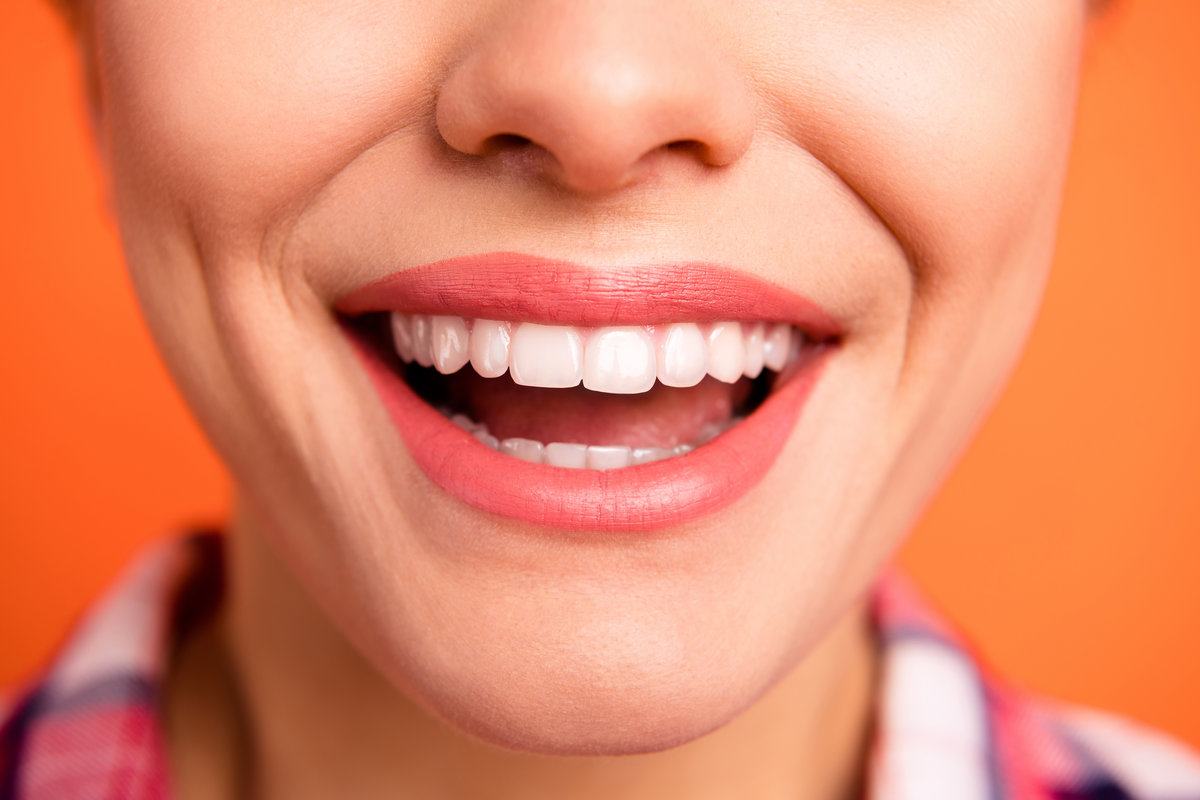
 If you have a chipped tooth, a small gap, or a spot that doesn’t match the rest of your smile, you might assume you need a crown or a veneer. Dental bonding is often a simpler answer, using tooth-colored composite resin to repair minor imperfections in a single visit.
At Coastal Cosmetic and Family Dentistry, Dr. William Rolfe and Dr. Emily Hébert use composite bonding to help patients address common cosmetic concerns without more invasive procedures. Understanding how bonding works and when it fits your situation can help you decide if it is the right option for your smile.
What Is Dental Bonding?
Dental bonding involves applying a putty-like composite resin directly to the tooth, shaping it to match the tooth’s natural contours, and hardening it with a curing light. The resin is color-matched to your existing teeth, so the repair blends in rather than standing out. Because the material adheres directly to the tooth surface, minimal to no removal of natural tooth structure is typically required.
This makes bonding one of the more conservative cosmetic options available. Unlike treatments that reshape the tooth to accommodate a cap, bonding builds on what is already there. The process is usually completed in a single appointment, with no lab work needed to fabricate a permanent piece.
Common Reasons Patients Choose Dental Bonding
Patients turn to bonding for a range of cosmetic and functional reasons, and the material’s versatility makes it useful in many situations. Some of the most common applications include:
- Repairing a chipped or cracked tooth
- Closing small gaps between teeth
- Correcting minor discoloration that does not respond to whitening
- Reshaping a slightly misshapen tooth
- Protecting an exposed tooth root due to gum recession
Because the procedure is minimally invasive and does not require significant preparation, it tends to appeal to patients looking for a quicker, lower-cost way to refine their smile.
How Does Bonding Compare to Other Cosmetic Dental Options?
Bonding is often discussed alongside veneers as a cosmetic solution, but the two serve different purposes depending on the extent of correction needed. Veneers are thin shells bonded to the front surface of a tooth and are generally recommended when a patient wants a more uniform, long-lasting transformation across several teeth. Bonding, by comparison, is typically used for smaller, more localized repairs.
Cost and longevity are also factors worth weighing. Composite resin is generally less expensive than porcelain veneers, but it is also more prone to staining and wear over time, meaning it may need touch-ups or replacement sooner. For patients evaluating the differences in more detail, our page on composite bonding versus veneers breaks down how the two treatments compare feature by feature.
Is Dental Bonding Right for Every Situation?
Bonding works well for minor cosmetic concerns, but not for more significant damage. A tooth with substantial decay or compromised structural integrity may need a crown instead, since bonding material is not designed to withstand the same biting forces as a full-coverage restoration. According to the National Institute of Dental and Craniofacial Research, nearly 90% of adults ages 20 to 64 have had decay in their permanent teeth, underscoring the value of catching small issues before they require more extensive treatment.
During a consultation, our doctors evaluate the extent of the damage and the health of the surrounding tooth structure. In some cases, a combination approach, such as bonding on one tooth and a smile makeover plan for others, may be recommended to achieve a natural-looking result.
How Long Does Dental Bonding Last?
With proper care, bonded teeth can last anywhere from several years to a decade or more before touch-ups are needed. Avoiding habits like biting fingernails, chewing ice, or using your teeth as tools helps preserve the material, as do good oral hygiene and routine cleanings.
Because composite resin is more susceptible to staining than natural enamel, patients who choose bonding on visible front teeth may want to limit coffee, tea, red wine, and tobacco use in the weeks following treatment. Routine dental exams allow our team to monitor the bonding over time and address any wear before it becomes a bigger concern.
Find Out if Dental Bonding Fits Your Smile
At Coastal Cosmetic and Family Dentistry, we take the time to walk patients through their options so they feel confident in their treatment plan. Whether bonding is the right fit or another approach makes more sense for your smile, our team is here to help you weigh the choices without pressure or guesswork.
If you are curious whether dental bonding could address your specific concern, we welcome you to use our contact form to request an appointment. Our doctors can take a closer look and recommend a path forward that fits both your smile goals and your budget.