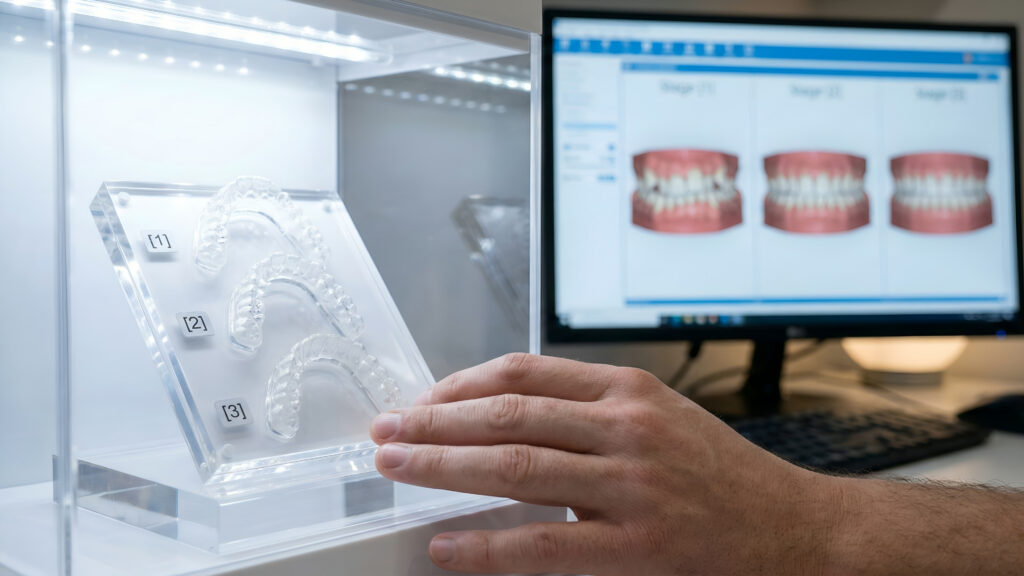
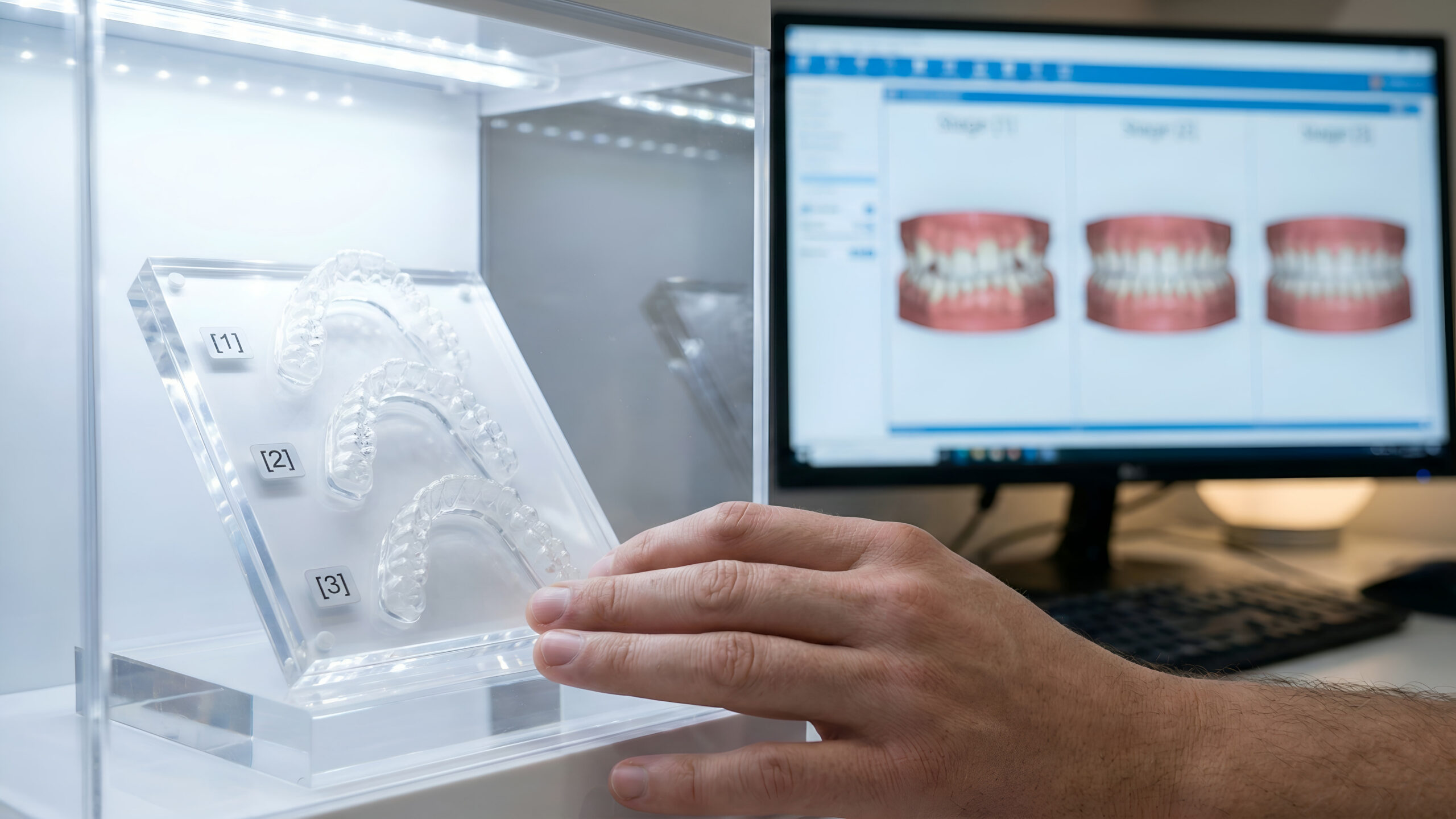
Imagine having the ability to see your new smile before a single tooth is touched. For patients who have spent years feeling self-conscious about their teeth, that kind of certainty changes everything. Digital Smile Design (DSD) is a technology-driven approach that makes it possible to turn an abstract idea into a concrete, visual preview of your results before treatment ever begins.
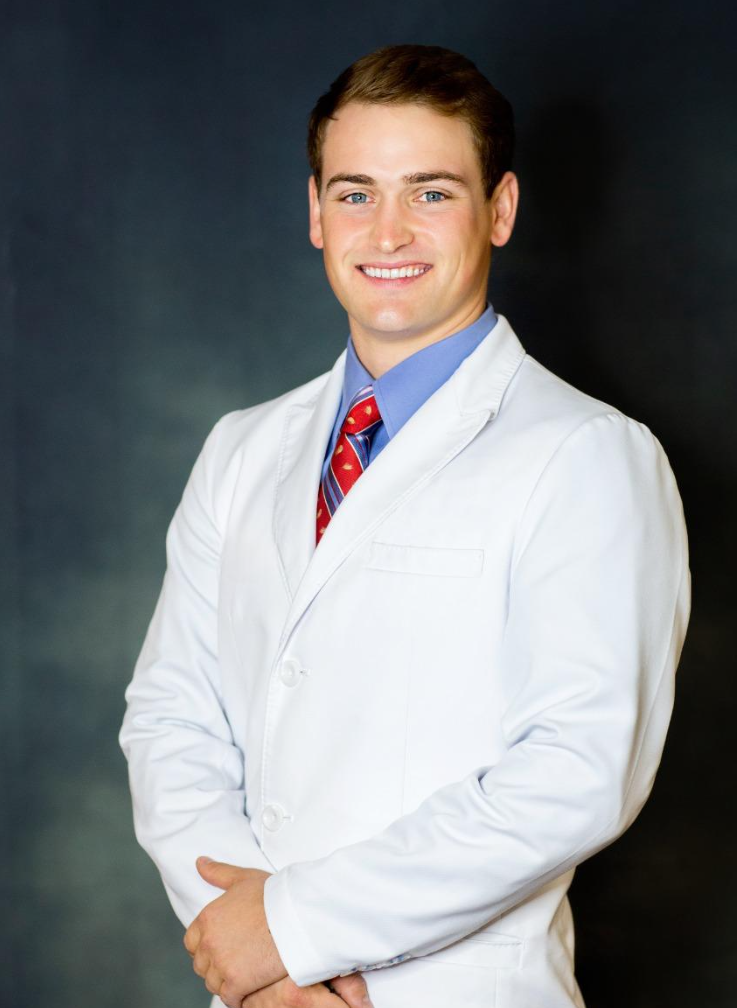
At Coastal Cosmetic & Family Dentistry, Dr. William Rolfe and Dr. Emily Hébert use Digital Smile Design as part of a patient-centered planning process. With advanced training at the Smile Stylist center under Dr. Jason Olitsky and affiliation with the Academy of Cosmetic Dentistry, our team brings both the technical knowledge and artistic sensibility needed to make this technology work for you.
What Is Digital Smile Design?
Digital Smile Design is a planning and communication tool that allows dentists to digitally map, analyze, and redesign a patient’s smile before any physical treatment begins. Using photographs, measurements, and specialized software, the system creates a digital mockup of what your smile could look like after treatment for smile makeovers, veneers, crowns, or other restorative work.
According to a 2020 review published in the Journal of Oral Biology and Craniofacial Research, DSD is a technical tool that enables digital design and modification of a patient’s smile, allowing them to visualize the potential outcome beforehand. This transparency helps ensure the final result aligns with what you had in mind from the start.
How Does the Digital Smile Design Process Work?
The process begins with a comprehensive evaluation, including high-resolution photographs of your face and smile from multiple angles. These images are uploaded into design software where reference lines are drawn to analyze facial symmetry, tooth proportions, gum contours, and how your smile relates to your overall facial features.
Analysis and mapping: Reference lines are applied to your photographs to evaluate the relationship between your eyes, nose, lips, and teeth. Factors like the midline of your smile, the angle of your gum line, and the height-to-width ratio of your teeth are all considered. This analysis gives a clear picture of what is working aesthetically and where improvements may be made.
Digital design and mockup: Using the analysis data, a digital version of your new smile is created within the software. This mockup reflects what specific treatments like porcelain veneers or zirconia crowns could accomplish. The result is a realistic preview that accounts for your unique facial features rather than a one-size-fits-all template. You and your dentist review this mockup together, discuss what you like and what you would change, and refine the plan before any clinical work begins.
What Are the Benefits for Patients?
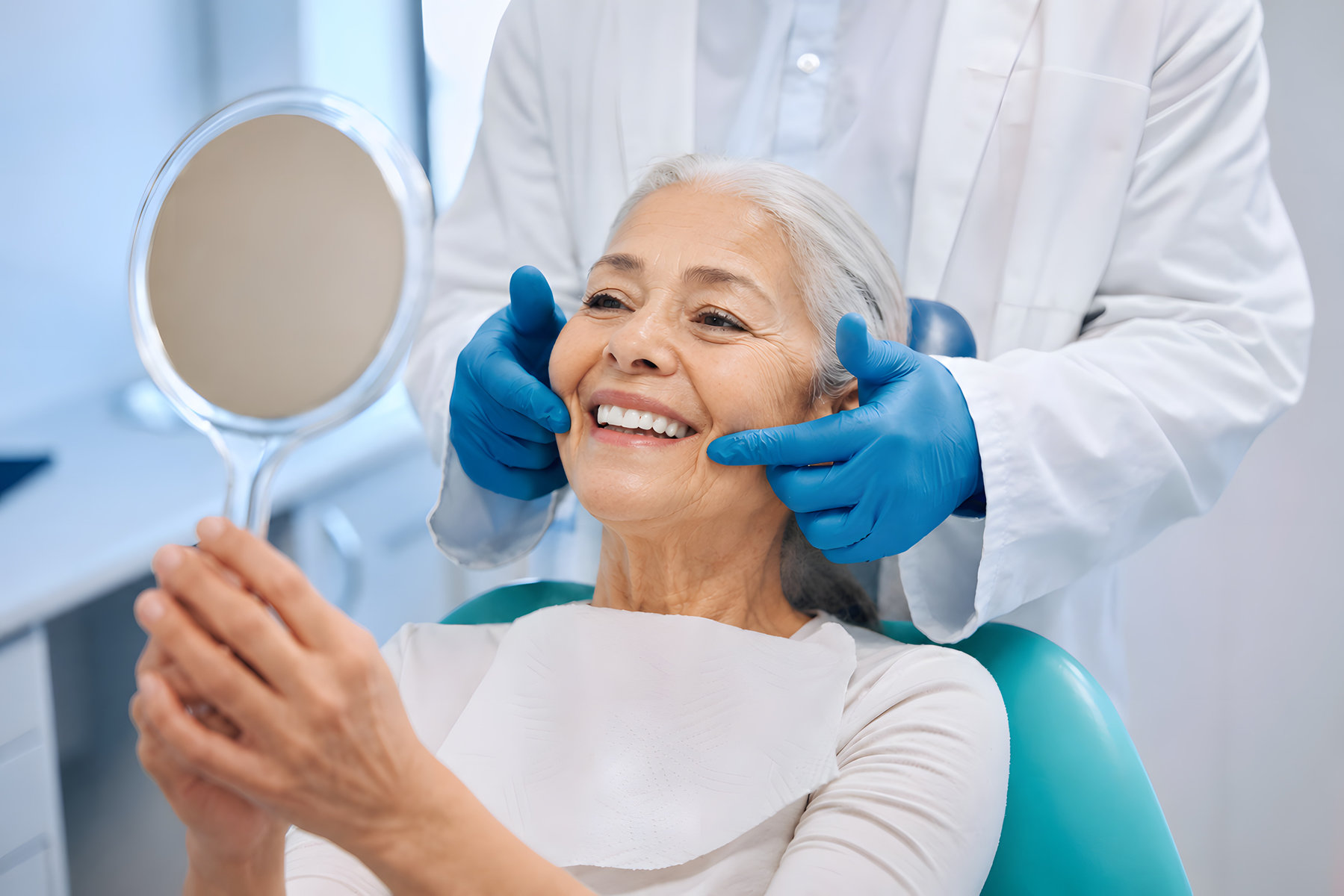
One of the most significant advantages of DSD is that it shifts the conversation from abstract descriptions to something you can actually see. Rather than relying on verbal explanations alone, you can review your proposed outcome, ask questions, and provide feedback before committing to treatment.
The following are key benefits patients often cite after going through the DSD process:
- Improved communication: Visual previews replace guesswork, making it easier to discuss expectations with your dentist.
- Greater confidence in treatment decisions: Seeing the proposed outcome helps patients make more informed choices.
- Personalized planning: Designs account for your specific facial anatomy rather than a generic ideal.
- Higher predictability: When everyone is aligned on the goal from the start, results tend to be more consistent with expectations.
Patients often leave their consultation feeling more engaged and prepared than they expected, which makes the overall experience more rewarding from the very beginning.
Is Digital Smile Design Right for You?
DSD is particularly well-suited for patients considering aesthetic changes such as veneers, crowns, composite bonding, or full smile makeovers. It is also a valuable tool for patients who are uncertain about committing to treatment and want the reassurance of a preview before moving forward.
If you are considering multiple procedures or a more extensive transformation, DSD is especially helpful in coordinating the overall plan. It allows our team to visualize how each element of your smile, from individual tooth shape to overall symmetry, fits together as a whole. You can browse real patient transformations in our smile gallery to get a sense of what is possible.
What Treatments Can Digital Smile Design Help Plan?
DSD is a planning tool, not a treatment itself, so it can support a wide range of aesthetic and restorative procedures. Common treatments it guides include porcelain or zirconia crown placement, veneer design, composite bonding, and clear aligner treatment with SureSmile. In more comprehensive cases, it helps coordinate the sequence and integration of multiple procedures to ensure a cohesive, natural-looking result.
The flexibility of DSD means that whether you are seeking a subtle refinement or a significant transformation, the planning process is guided by your individual goals rather than a generic template. Dr. Rolfe and Dr. Hébert bring their advanced cosmetic training to this process, helping translate your vision into a practical, achievable plan that accounts for both aesthetic preferences and functional needs.
Frequently Asked Questions About Digital Smile Design
Is Digital Smile Design only for cosmetic procedures?
While DSD is most commonly associated with cosmetic treatments like veneers and smile makeovers, it can also be used to plan restorative work such as crown placement or full mouth reconstruction. Any treatment that alters the visible structure of your smile can benefit from the planning and communication clarity DSD provides.
How long does a Digital Smile Design consultation take?
The initial DSD consultation typically takes between 60 and 90 minutes, depending on the complexity of the treatment being planned. During that time, photographs are taken, reference analysis is completed, and the digital mockup is discussed with you in detail. This investment in planning time typically leads to a smoother, more predictable treatment experience overall.
Will my final results look exactly like the digital mockup?
The mockup is a realistic projection based on your photographs and facial anatomy, and it serves as the blueprint for your treatment. While minor adjustments may occur as treatment progresses, the goal is for the final result to closely reflect the approved design. The preview stage is specifically designed to align expectations before any clinical work begins.
Does Digital Smile Design cost extra?
At Coastal Cosmetic and Family Dentistry, DSD is incorporated into our consultation process for patients exploring significant cosmetic or restorative work. The cost, if any, depends on the scope of treatment being planned and is something our team will discuss with you clearly during your initial visit. The investment in planning typically reduces the need for adjustments after treatment begins.
Schedule a Consultation at Coastal Cosmetic & Family Dentistry
At Coastal Cosmetic & Family Dentistry, a great smile starts with a great plan. Digital Smile Design gives patients the clarity and confidence to move forward with treatment on their own terms, knowing exactly what to expect and why each decision was made. It reflects our broader commitment to transparent, patient-first care at every stage of the process.
If you are curious about what your smile could look like, we would love to explain the process in person. Request an appointment online at our Pensacola office to get started.